
 Facebook
 X
X
 Pinterest
 Copy Link
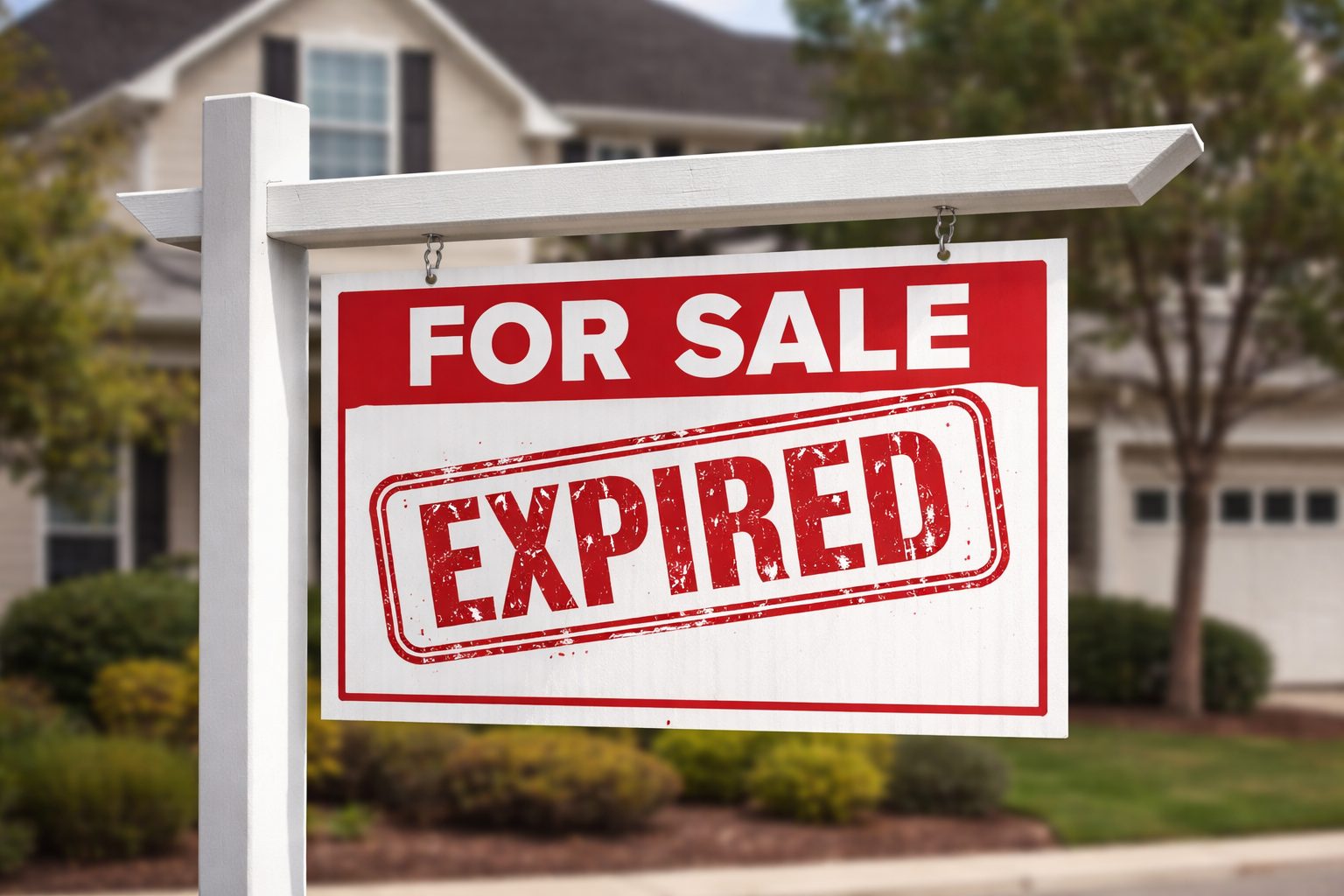
Why Some Homes Don’t Sell — And What Sellers Can Do Differently
If your home didn’t sell the first time, you’re not alone. It’s frustrating, especially when you’ve invested time, energy, and emotion into the process. But here’s the truth:
When a home doesn’t sell, it’s rarely because there’s something “wrong” with the house.
In most cases, it comes down to strategy.
Let’s break down the most common reasons listings don’t sell — and what can be done to fix them.
1. Pricing Missed the Mark
Pricing is the #1 reason homes sit on the market.
In today’s market, buyers are informed. They’ve seen the comparable sales, they’re tracking price reductions, and they know when a home feels overpriced.
What often happens:
-
Sellers price based on what they need to net
-
Or they price based on last year’s market
-
Or they “leave room to negotiate”
The reality?
The first 2–3 weeks on the market are critical. That’s when your listing gets the most attention. If it’s priced too high initially, you risk missing the strongest buyer activity.
A strategic pricing plan based on current data — not past expectations — makes all the difference.
2. The Home Wasn’t Positioned Correctly
Marketing isn’t just putting a home on the MLS.
Buyers don’t buy features — they buy lifestyle, emotion, and value.
If the listing:
-
Had average photography
-
Lacked compelling description
-
Didn’t highlight upgrades properly
-
Failed to tell the home’s story
… it likely blended in with the competition.
Professional media, strong copywriting, and targeted digital marketing create urgency and attention — and attention creates offers.
3. The Market Shifted
Over the past year, we’ve seen:
-
Interest rate changes
-
Buyer hesitation
-
Affordability adjustments
Some homes launched in one market and tried to survive in another. If strategy didn’t adjust quickly, momentum was lost.
A successful listing requires active management — monitoring showings, feedback, competing inventory, and making strategic adjustments in real time.
4. Condition & Presentation
Buyers compare everything.
If similar homes were:
-
Updated more recently
-
Better staged
-
More move-in ready
… buyers may have chosen those options first.
Often, small improvements — paint touch-ups, lighting updates, staging, landscaping — create a much stronger first impression and dramatically impact perceived value.
5. Lack of Follow-Through
Selling isn’t passive.
It requires:
-
Consistent follow-up with buyer agents
-
Feedback analysis
-
Strategic adjustments
-
Strong negotiation skills
Sometimes listings expire simply because no one proactively guided the process once it hit the market.
Here’s the Good News
An expired listing doesn’t mean your home won’t sell.
In many cases, homes that didn’t sell the first time relist with:
-
Better pricing strategy
-
Stronger marketing
-
Improved presentation
-
Clearer positioning
…and they sell.
Often faster than expected.
If Your Listing Expired
Instead of asking, “Why didn’t my home sell?”
Ask, “Was the right strategy in place?”
The difference between sitting and selling usually isn’t the property — it’s the plan.
If you’re still considering a move, this might be the right time to reassess with fresh eyes, updated data, and a smarter approach.
Because sometimes it’s not about starting over.
It’s about starting differently.


